Food is the part of a wedding that every guest remembers. They may forget the song or the color of the napkins, but they will remember whether they were hungry, whether the line moved, and whether the plate tasted good. If you are planning a wedding in Midland, catering deserves an early place in your schedule. This guide walks through the choices that shape your meal, from the guest list to the last cleanup, so you can make decisions calmly and in the right order.
Start with the guest list and the space
Before you talk menus, settle roughly how many people are coming. A caterer cannot plan portions, staffing, or equipment without a working headcount. It does not need to be final, but it should be honest. Add a small cushion for late replies and guests who bring someone unexpected. A wedding with a loose count tends to run over on food, while a firm count lets the kitchen plan with confidence and keeps waste down.
Next, look closely at where the meal will happen. A hotel ballroom, a barn, a backyard, and a rented hall all ask different things of a caterer. Ask whether there is a kitchen on site, how much counter and cooler space exists, and where staff can load in. A venue with limited prep room may push you toward dishes that travel well and finish quickly, so settle the location before you fall in love with a menu.
Choose a service style that fits your day
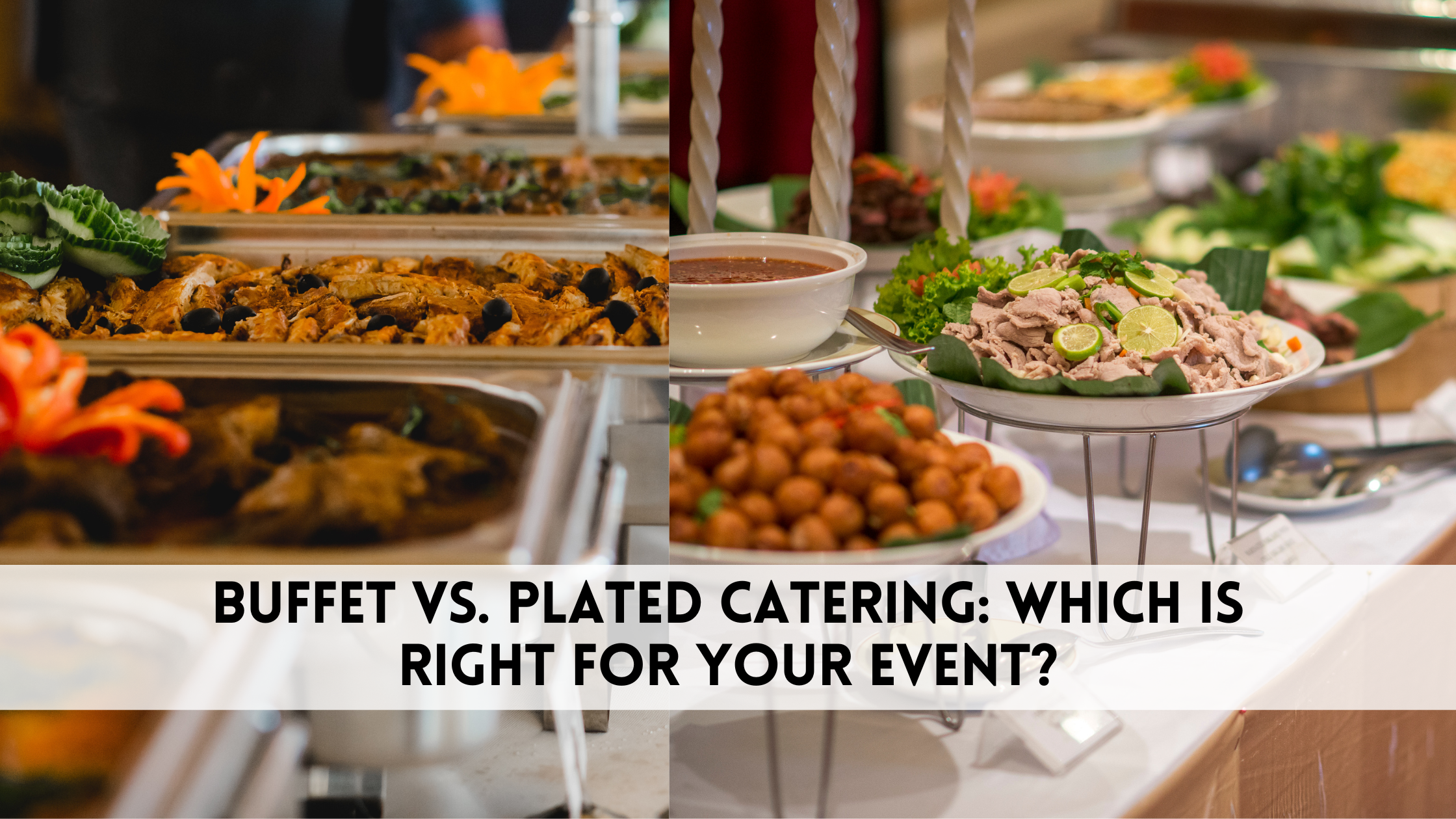
Plated service feels formal. Each guest gets a course brought to the table, and the pacing is easy to control. It does need more servers and a firm choice of entrees ahead of time. Buffet service is relaxed and lets guests take what they like, though lines can form if the room is large. Family style puts big platters on each table and encourages conversation. Think about your crowd, your timeline, and how much you want guests mingling.
Stations and food bars are another option, especially for longer receptions. A carving station, a taco bar, or a spread of small bites spreads people out and keeps the room moving. These work well when guests arrive in waves or when you want the meal to feel like part of the party rather than a pause in it. Ask your caterer how many staff each style needs, since that shapes both the feel and the cost.
Build a menu around your guests, not just your tastes
Your favorite dishes belong on the menu, but your guests should be able to eat well too. Think about older relatives, children, and anyone who skips meat or avoids certain ingredients. A good menu offers a few clear choices rather than one bold dish that half the room will pass on. Seasonal ingredients tend to taste better and are often easier to source, so ask what your caterer likes working with at the time of year you are marrying.
Dietary needs deserve a direct conversation. Collect allergies and restrictions when guests reply, and pass them along in plain terms. Ask how the kitchen keeps those dishes separate during prep and service. A caterer who asks follow-up questions is paying attention. Label dishes at the buffet or tell servers what is in each plate, so guests with restrictions never have to guess or interrupt the celebration to find out what is safe.
Think about how food and flowers share the room
The meal and the decor sit in the same space, and they affect each other more than couples expect. Tall centerpieces can block sightlines across a table, and wide arrangements can crowd out plates, bread baskets, and glasses. Long buffet tables look bare without some greenery or color, but too much can leave no room for serving dishes. Sketch where food lines, serving tables, and table settings will go, then decide how much space the decor can take. Bringing your florist into that conversation early saves a lot of rework, since the person designing the arrangements needs to know your table dimensions and where the serving dishes will sit. Pedestals Floral Decorators, a wedding florist, can adjust centerpiece height and footprint once they see how much room the caterer needs.
It also helps to share your timeline across everyone working the day. Decor needs to be set before the first guest sits, while hot food needs staff moving through the room at precise moments. If both crews arrive at the same loading door at the same time, things get tense fast. Give each a window, tell them who else is working, and keep one person on your side as the point of contact so questions get answered quickly.
Be clear about budget and what it covers
Ask for a written quote that lists what is included. Food is only one part. Staff, rentals such as plates, glassware, and linens, delivery, setup, and cleanup can all appear as separate lines. Some venues also charge their own service fee, so ask what applies where you are hosting. When two quotes look different, compare them line by line before deciding. A lower number that leaves out half the service is not really lower.
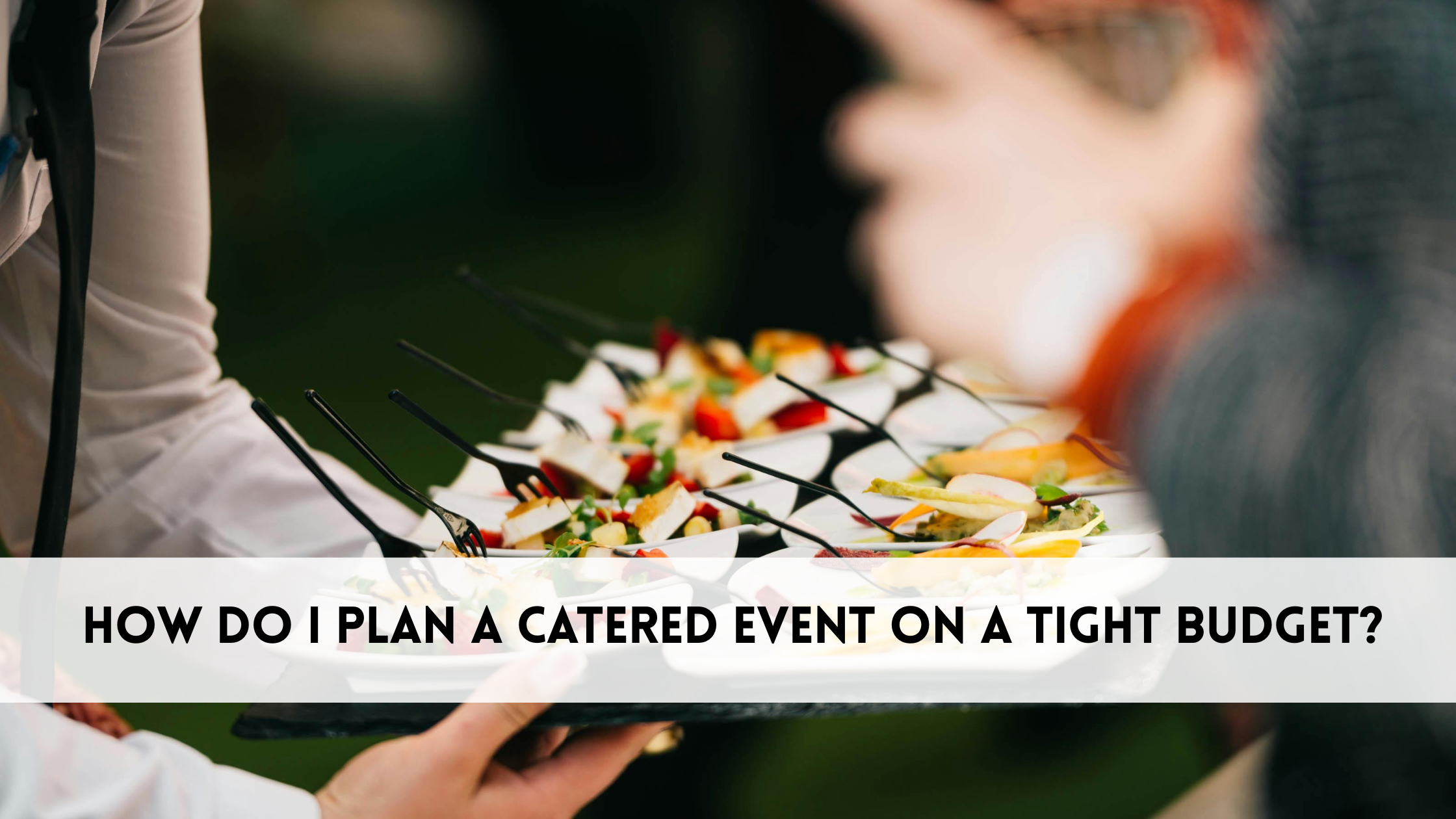
If the budget is tight, there are honest ways to trim. Narrow the menu to fewer, stronger dishes. Choose a buffet or stations over plated courses to reduce staffing. Serve a smaller dessert selection alongside the cake. Skip items that look impressive but go uneaten. Tell your caterer your ceiling at the start, because a good one will shape a menu to fit it rather than surprise you later.
Book early and hold a tasting
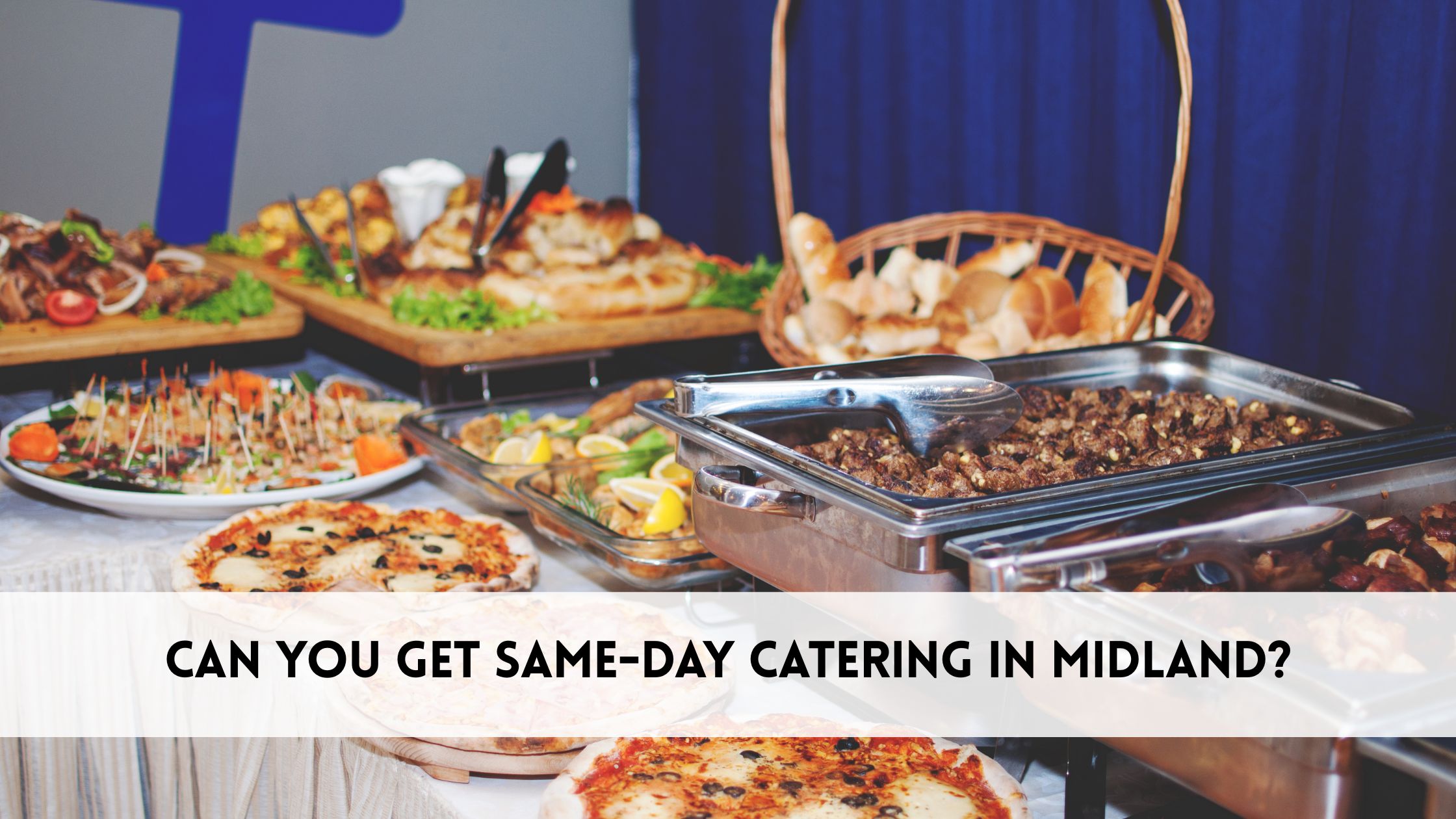
Popular dates fill up, so start the conversation as soon as you have a date and a place. Booking early gives you more choice of menus, more room to adjust, and less pressure. Ask about the deposit, the payment schedule, and how changes to the headcount are handled close to the day. Get the details in writing so everyone knows what was agreed.
A tasting is the surest way to know what you are buying. Taste the dishes you are leaning toward, ask how they hold up when made for a crowd, and speak up about salt, spice, and portion size. Bring the person whose opinion you trust most. Take notes, and follow up with any changes in writing. By the end, you should feel sure about what lands on every plate.
Good wedding catering comes down to a few steady habits: know your numbers, understand your space, ask direct questions, and put everything in writing. Do that, and the meal becomes the easy part of the day instead of the worry. Plan early, leave room for the unexpected, and let your guests enjoy a table that feels cared for from the first course to the last.