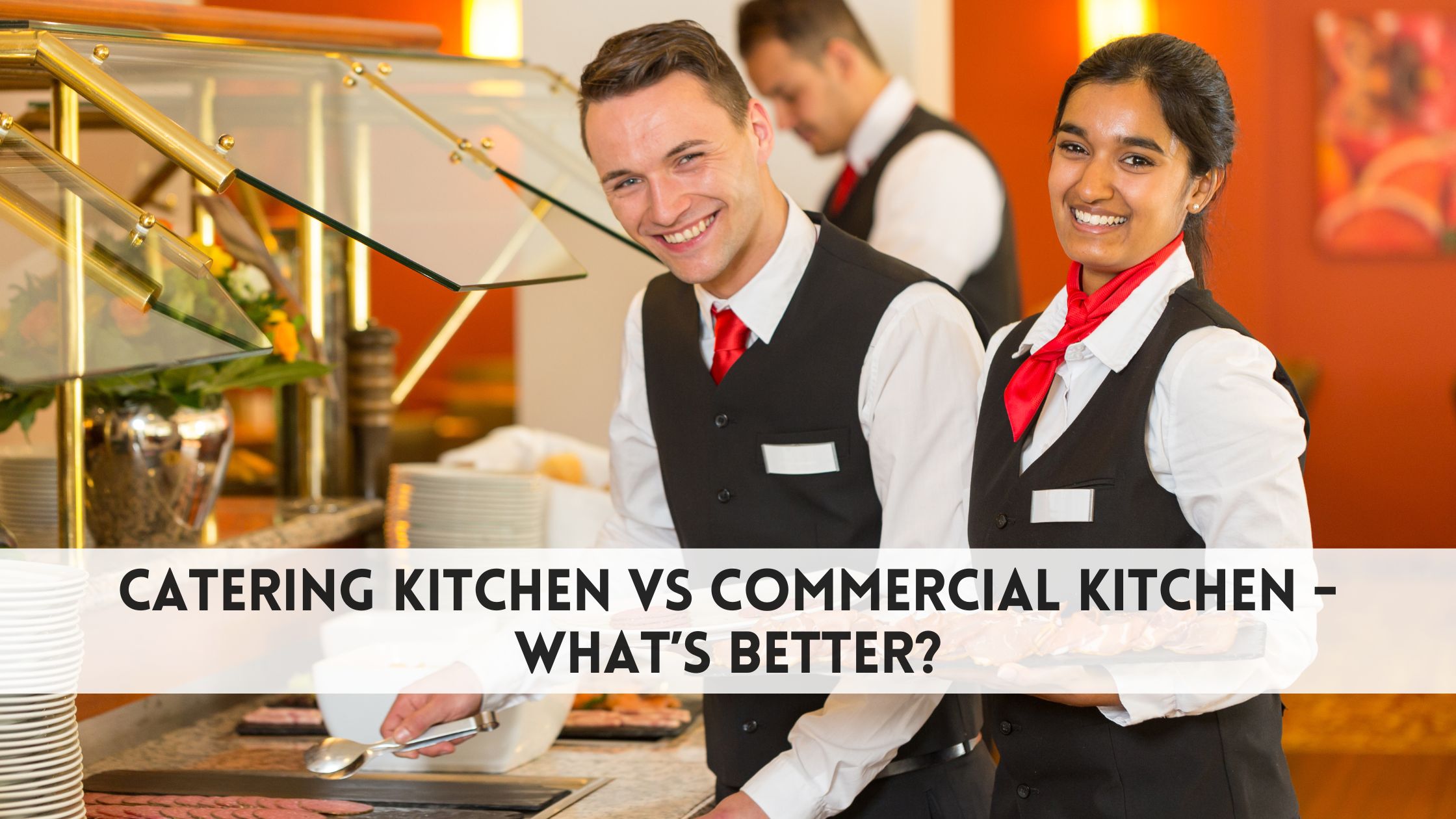
Understanding the difference between a catering kitchen vs commercial kitchen is crucial when planning events in Midland, Texas. Although both kitchen types focus on food preparation, their design, workflow, equipment, and operational purpose vary widely. These distinctions influence everything from food safety and freshness to timing, transportation, and overall service quality. For weddings, corporate gatherings, private parties, and community events, understanding how each kitchen operates helps you select the ideal catering partner. This guide breaks down the core differences so you can make an informed decision and understand why the right kitchen setup plays a major role in event success.
What Is a Catering Kitchen?
A catering kitchen is a dedicated professional food-preparation space built for large-volume cooking, storage, cooling, and organized transport for off-site events. It operates differently from a restaurant kitchen by prioritizing batch production, flexible scheduling, and streamlined logistics to support multiple events in a day. This setup helps caterers maintain consistency, safety, and efficiency while managing high demand. A well-equipped catering kitchen also plays a key role in determining the average catering costs for large number of guests, as factors like equipment, staffing, and prep time directly influence pricing. For professional caterers, it is an essential hub that keeps event operations smooth and reliable.
What Is a Commercial Kitchen?
A commercial kitchen is the standard kitchen used in restaurants, cafés, and food establishments that serve customers on-site. Its layout is designed for continuous cooking and supporting dine-in or take-out operations. While commercial kitchen requirements meet strict safety standards, they are not optimized for large batches, mobile service, or event-driven schedules.
Catering Kitchen vs Commercial Kitchen – Key Operational Differences
Here is an easy comparison of how each kitchen type performs across essential catering and restaurant operations:
| Category | Catering Kitchen | Commercial Kitchen |
| Primary Purpose | Off-site event preparation & transport | On-site restaurant service |
| Volume Capacity | High-volume, multi-event prep | Limited to dine-in & take-out customers |
| Workflow | Batch cooking, staged timing | Short-order, immediate-fire orders |
| Equipment | Hot boxes, insulated coolers, bulk storage | Line stoves, fryers, grills for fast service |
| Transport Readiness | Designed for safe travel | Not designed for large-scale transport |
| Menu Flexibility | Highly flexible, event-specific | The menu is usually fixed daily |
| Food Safety Controls | Extended holding, cooling, and transport safety | Standard restaurant safety systems |
| Best Use Case | Weddings, corporate events, outdoor venues | Restaurants, cafés, and small catering pickups |
The differences between a catering kitchen and a commercial kitchen come down to mobility, large-batch preparation, event logistics, and transportation safety. Catering kitchens support multi-event production and long-distance delivery, while commercial kitchens focus on fast, on-site restaurant service with limited volume capacity.
When does Each Kitchen Type work?
Catering Kitchen Works Best:
- Weddings with 100–400 guests: A catering kitchen handles large guest counts efficiently, offering batch cooking, organized plating, and safe transport to ensure high-quality service at Midland wedding venues.
- Large corporate events or banquets: These kitchens manage high-volume menus, coordinated timing, and large-scale production, making them ideal for business conferences, banquets, and corporate gatherings requiring polished food service.
- Outdoor events and ranch venues in Midland: Catering kitchens support long-distance delivery, temperature control, and on-site setup, ensuring consistent food quality for Midland’s outdoor, ranch, and remote event locations.
- Multi-event days requiring strict scheduling: Caterers can prep, stage, and pack multiple events simultaneously, allowing efficient timelines and reliable execution even during peak seasons or busy weekends.
- Events where food must be safely transported and served hot: Catering kitchens use insulated carriers, hot boxes, and controlled holding systems to maintain safe temperatures and freshness during delivery and on-site service.
Commercial Kitchen Works Best:
- Restaurant dine-in service: A commercial kitchen supports immediate, made-to-order meals with line stations designed for speed, consistency, and customer satisfaction inside the restaurant environment.
- Small pickup catering trays: Restaurants can prepare limited catering trays efficiently for local pickups, ideal for small gatherings that do not require large-scale production or transport.
- Simple menus served immediately: Commercial kitchens excel in preparing straightforward, quick-serve menus where food quality depends on immediate cooking rather than long holding or transport times.
- Fast-paced lunch or dinner service: These kitchens are optimized for high turnover, rapid meal preparation, and consistent guest service, making them perfect for busy restaurant rush hours.
Which Option Works Better for Event Catering in Midland?
For event catering in Midland, a catering kitchen is generally the better option. Midland’s warm climate, spread-out venues, and frequent outdoor celebrations make efficient food transport and temperature control essential. When comparing a catering kitchen vs commercial kitchen, catering kitchens excel because they support large-batch preparation, extended holding times, and safe delivery across long distances. They are designed for weddings, corporate events, and multi-event days where timing, logistics, and consistency matter most. Catering kitchens also maintain reliable food quality even in high temperatures, ensuring guests receive fresh, properly handled meals. While commercial kitchens work well for restaurant service, catering kitchens offer reasons for your event with efficiency, safety, and flexibility for off-site events in Midland.
Final Words
Choosing between a catering kitchen vs commercial kitchen depends on the type of event you’re planning. While commercial kitchens are excellent for dine-in restaurant service and immediate menu execution, catering kitchens are purpose-built for large events, mobile service, and precise scheduling. For weddings, corporate gatherings, outdoor venues, and private functions in Midland, calculating catering food quantities provides relief, better food safety management, and consistent quality during transport. It ensures every dish arrives fresh, properly handled, and event-ready. When you want an event to run smoothly from preparation to service, a catering kitchen is the superior and more reliable choice.